
 |

Motorised Pulley vs External Conveyor Drive: What’s the Difference?
A practical guide to the differences between motorised pulleys and traditional external drives. |
|
The drive arrangement affects far more than just how a conveyor moves the belt. It influences the space the conveyor needs, how it’s guarded, how easy it is to maintain and how well the system copes with dust, moisture and day-to-day operation. For most applications, the choice comes down to a conventional external motor and gearbox arrangement or a motorised pulley with the drive built directly into the pulley. Both are proven solutions. The right one depends on the conveyor. 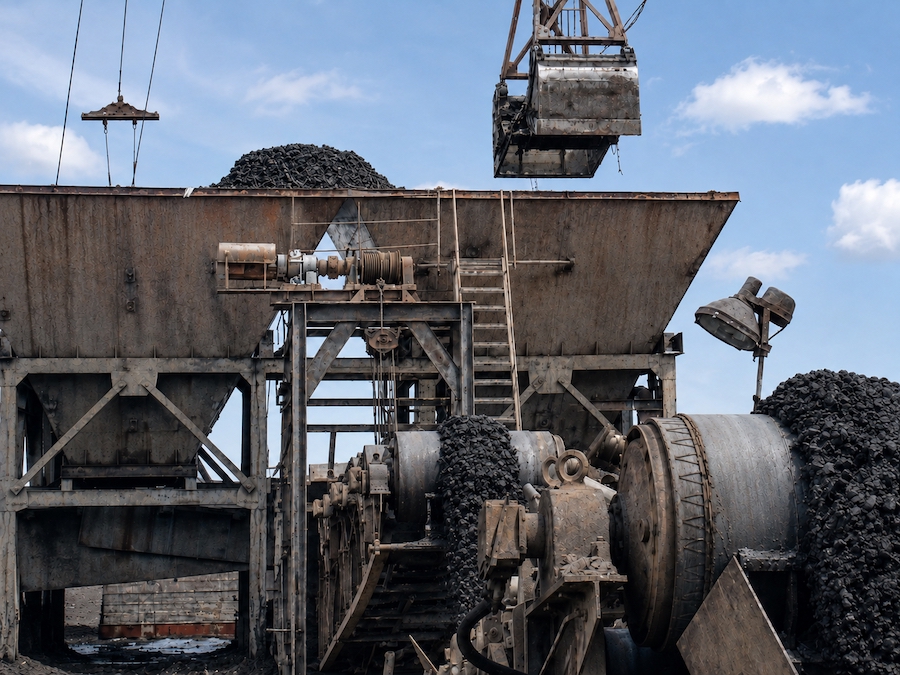 What is a Motorised Pulley? A motorised pulley combines the electric motor, gearbox and internal drive components inside the pulley shell. Instead of mounting a separate motor and gearbox alongside the conveyor, the drive effectively becomes part of the head pulley. That immediately removes a lot of hardware from around the conveyor frame. For OEMs building conveyors into mobile crushers, screening plants, materials-handling equipment or compact production systems, that can make the machine much easier to package. There’s no external gearbox hanging off the side, fewer exposed transmission components and less guarding to design around moving parts. The enclosed construction also gives the drive protection from the working environment. On quarrying, mining and industrial equipment, where dust, moisture and debris are part of normal operation, that’s a practical advantage. How Does an External Conveyor Drive Work? A conventional conveyor drive normally uses a separate electric motor connected to a gearbox, with power transferred to the pulley through a shaft, coupling or similar arrangement. It’s a familiar setup, and there are good reasons why it’s been used for decades. Engineers can select motors and gearboxes independently, work with a wide choice of ratios and configure the drive around specific torque, speed or power requirements. The downside is that all those parts have to go somewhere. You need space for the motor, gearbox, couplings, shafts, mounting structure and guarding. Alignment matters too, and every extra component becomes another item that needs inspection, maintenance or replacement over the life of the conveyor. On a large fixed conveyor with plenty of access, that may not be an issue. On a compact OEM machine, it can become a packaging problem very quickly. 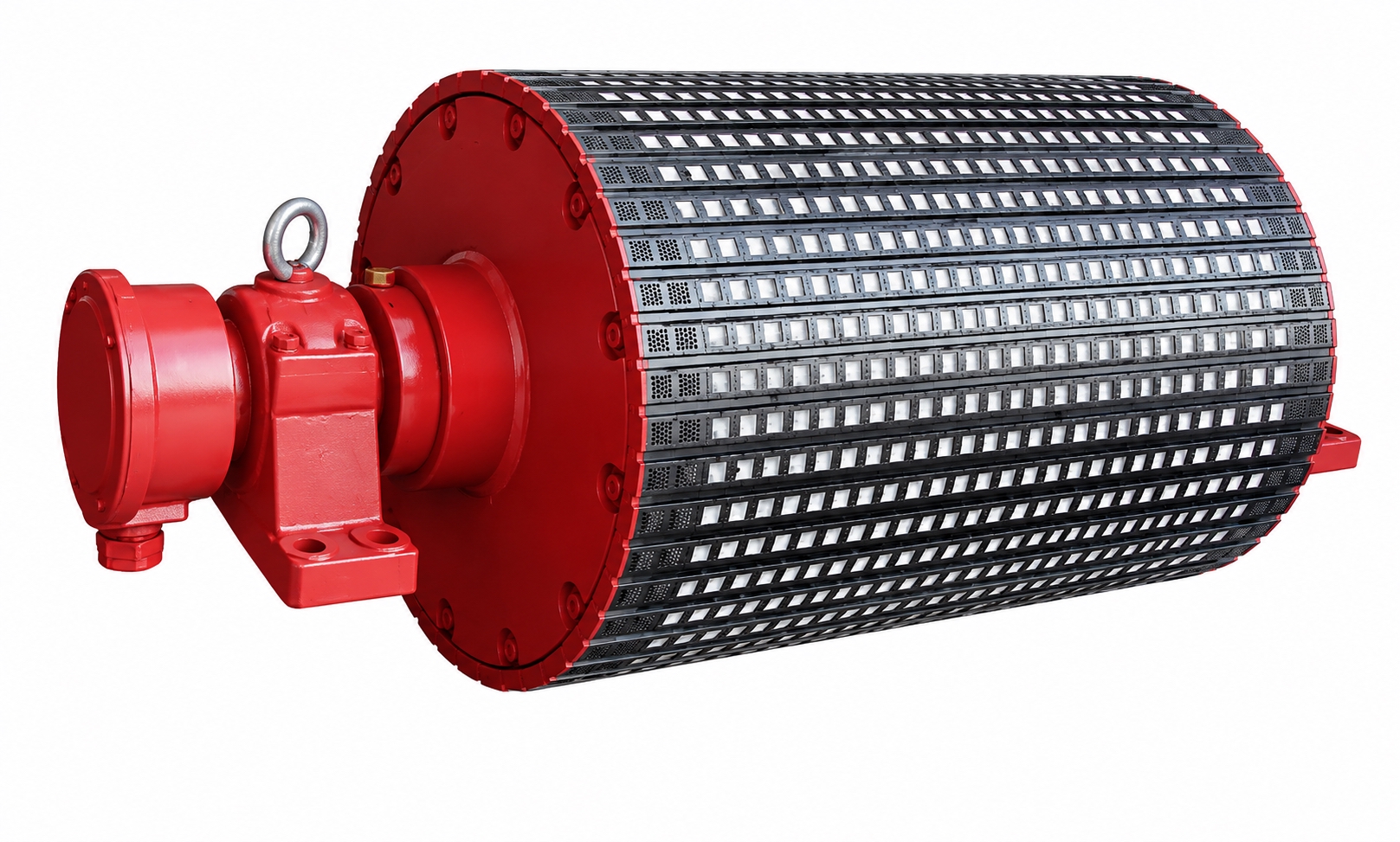 ATG YT (YII) Motorised Pulley – a compact, enclosed conveyor drive designed for reliable operation in demanding materials handling applications.
Motorised pulleys make most sense where space, protection and simplicity matter. With the drive contained inside the pulley, the conveyor has a cleaner footprint and there are fewer external components to mount during assembly. From an engineering point of view, that also means less work designing separate motor and gearbox supports, arranging couplings and then guarding everything afterwards. The enclosed design is another practical benefit in harsher environments. Dust, moisture and debris are part of working life on quarrying, mining and bulk-handling equipment. Keeping the motor and gearbox inside the pulley shell reduces their exposure to those conditions. There are maintenance benefits as well. Fewer external couplings and transmission components means fewer items to align, inspect and adjust. Where an External Drive Still Makes Sense Motorised pulleys aren’t automatically the better option. There are plenty of conveyors where a conventional external drive is still the right choice, particularly where very high power, unusual reduction ratios or a specific motor and gearbox combination are required. An external system also gives maintenance teams direct access to individual components. On sites where motors and gearboxes are routinely swapped or repaired separately, that can be an important advantage. So the maintenance strategy matters just as much as the initial machine layout. If the site needs individual drive components to be removed and replaced quickly, an external arrangement can make good sense. If space is limited and the priority is a compact, enclosed drive with fewer exposed parts, a motorised pulley starts to look much more attractive. 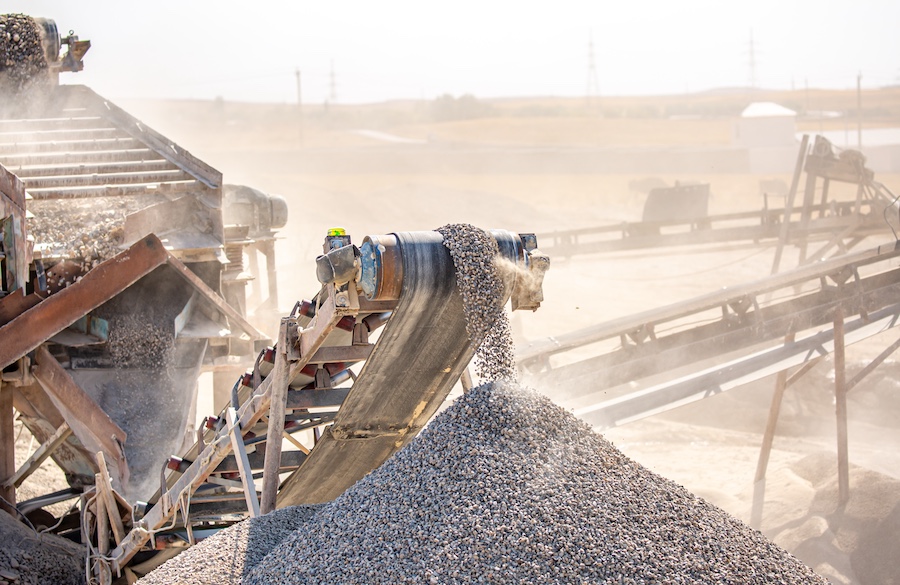
The starting point should always be the conveyor duty. Power is obviously part of the calculation, but it isn’t enough on its own. Belt speed, required torque, pulley diameter, belt tension, starting conditions, load, operating hours and the working environment all need to be considered before a motorised pulley is selected. A conveyor that starts frequently under load behaves very differently from one that starts empty and then runs continuously for hours. Temperature and duty cycle matter too. It’s quite easy to look at a basic power requirement and think a drive is suitable, only to find that the real operating conditions put much more demand on it than expected. Getting the specification right at the start avoids problems later. ATG Australasia supplies motorised pulleys for conveyor applications across Australia and New Zealand and works with OEMs, conveyor manufacturers and end users to make sure the drive fits the actual application. We can look at the conveyor requirements, operating conditions and existing drive arrangement, then help determine whether a motorised pulley is the better option. If you’re designing a new conveyor, replacing an existing drive or looking to simplify an external motor and gearbox arrangement, talk to the ATG Australasia team. Give us the conveyor requirements and operating conditions. We’ll help you specify the motorised pulley that fits the job.
|